








Trip Information
-
Car,Van,Bus
-
Minimum 2
-
Hotels(3*,4* with Breakfast)
-
April to August
-
Chauffeur - English
-
English
Trip Description
We offer affordable travel options, and it’s possible to experience the country’s diverse attractions on a budget. Here’s a 13-day tour plan that keeps costs low while ensuring a rich travel experience:
Trip Highlights
- Sigiriya
- Sigiriya-Village Tour
- Pidurangala
- Dambulla Cave Temple
- Trincomalee
- Nilaweli Beach
- Scuba Diving and boat tour (Coral and Dolphins/Whale watching)
- Pasikudah
- Arugam Bay-Surfing paradise
- Kumana National Park Safari
- Ella excursion
- Ella-Kandy Train Ride
- Kandy city tour
- Colombo City Tour
Itinerary
Negombo is a convenient and popular choice for travelers arriving in Sri Lanka, particularly for those with flights landing at Bandaranaike International Airport (CMB), which is just a short drive away. Here’s a brief overview of Negombo and tips for finding a suitable transit hotel:
Sigiriya, often referred to as the "Lion Rock," is a historic and cultural landmark in Sri Lanka, renowned for its ancient rock fortress and archaeological significance. Here's an overview of Sigiriya:
Historical Significance
Ancient Capital: Sigiriya served as a short-lived capital during the reign of King Kasyapa I (477-495 AD). The site was chosen for its strategic location and natural defenses.
Royal Palace: Atop the rock, King Kasyapa built an elaborate palace complex, complete with gardens, reservoirs, and various structures, some of which still stand today.
The Rock Fortress
Location: Sigiriya is located in the Matale District of the Central Province, approximately 180 kilometers northeast of Colombo.
Structure: The fortress is perched atop a massive 200-meter-high rock, providing panoramic views of the surrounding plains.
Lion's Gate: The entrance to the final ascent is marked by a giant pair of lion's paws, remnants of a large brick and plaster lion statue that once stood here, giving Sigiriya its name ("Lion Rock").
Key Attractions
Sigiriya Rock:
Climb and View: Visitors can climb the rock via a series of staircases and walkways, taking in the spectacular views and historical sites along the way.
Frescoes: Halfway up, the rock shelters well-preserved frescoes known as the "Sigiriya Maidens," depicting beautiful women believed to be either celestial nymphs or members of Kasyapa's harem.
Mirror Wall: Originally a polished surface, the Mirror Wall is covered in ancient graffiti from visitors dating back to the 7th century.
Water Gardens:
Design: At the base of the rock, the gardens showcase sophisticated ancient landscaping techniques, with symmetrical layouts, fountains, and pools.
Boulder Gardens:
Pathways: These gardens feature winding pathways and rock shelters, some of which were used as meditation spots by monks.
Terraced Gardens:
Ascend: As visitors approach the rock, they pass through these terraced gardens, which are a series of stepped platforms carved into the hillside.
Pidurangala Rock:
Alternative Viewpoint: Nearby Pidurangala Rock offers a stunning view of Sigiriya Rock and is popular for its sunrise and sunset hikes.
Cultural Impact
UNESCO World Heritage Site: Sigiriya was declared a UNESCO World Heritage Site in 1982 for its historical, cultural, and archaeological significance.
Tourism: Today, Sigiriya is one of Sri Lanka's most popular tourist destinations, drawing visitors from around the world.
*Dambulla Cave Temple visit at Night
Overnight Stay In Sigiriya
Anuradhapura is one of the ancient capitals of Sri Lanka, renowned for its well-preserved ruins of an ancient Sinhala civilization. The city, which was the center of Theravada Buddhism for many centuries, is one of the oldest continuously inhabited cities in the world and a UNESCO World Heritage Site.
Historical Significance: Anuradhapura was the capital of Sri Lanka from the 4th century BC until the beginning of the 11th century AD. It is known for its ancient stupas, monastic buildings, and reservoirs.
Sacred City: The city is revered for its historical and religious significance, containing numerous temples, dagobas (stupas), and other relics.
Key Attractions in Anuradhapura
Sri Maha Bodhi:
Description: A sacred fig tree grown from a cutting of the original Bodhi tree under which the Buddha attained enlightenment.
Significance: It is one of the oldest living human-planted trees in the world with a known planting date.
Ruwanwelisaya:
Description: A stupa considered sacred to many Buddhists around the world.
Significance: It was built by King Dutugemunu and is known for its magnificent and massive structure.
Thuparamaya:
Description: The oldest stupa in Sri Lanka, said to contain the collarbone relic of the Buddha.
Significance: It is an important pilgrimage site for Buddhists.
Jaya Sri Maha Bodhi:
Description: Another sacred fig tree, an offshoot of the original Bodhi tree in Bodh Gaya, India.
Significance: A focal point for religious worship and ceremonies.
Abhayagiri Monastery
The Abhayagiri Monastery is one of the major monasteries of Anuradhapura, known for its historical importance and archaeological significance.
Foundation: The monastery was established in the 2nd century BC by King Valagamba (also known as Vattagamani Abhaya).
Name Significance: "Abhayagiri" means "Hill of Protection" or "Fearless Hill."
Key Attractions at Abhayagiri Monastery
Abhayagiri Dagoba:
Description: One of the largest stupas in Sri Lanka, originally measuring 100 meters in height.
Significance: It served as the center of the Abhayagiri Vihara, a major monastic center and university.
Samadhi Buddha Statue:
Description: A serene statue of the Buddha in a meditative pose, considered one of the finest examples of ancient Sri Lankan sculpture.
Significance: It exemplifies the spiritual and artistic achievements of the Anuradhapura period.
Kuttam Pokuna (Twin Ponds):
Description: Two large bathing tanks used by the monks.
Significance: They are notable for their sophisticated hydraulic engineering and aesthetic design.
Moonstone (Sandakada Pahana):
Description: A semi-circular stone slab, richly decorated with carvings, typically placed at the entrance of monastic buildings.
Significance: It symbolizes the cycle of Samsara (the cycle of birth and rebirth in Buddhist belief).
Elephant Pond (Eth Pokuna):
Description: One of the largest man-made ponds in ancient Sri Lanka, used for storing water.
Significance: Its size and construction demonstrate the advanced engineering skills of the ancient Sri Lankans.
Practical Information for Visitors
Best Time to Visit: The best time to visit Anuradhapura and Abhayagiri is during the dry season, from May to September, to avoid the monsoon rains.
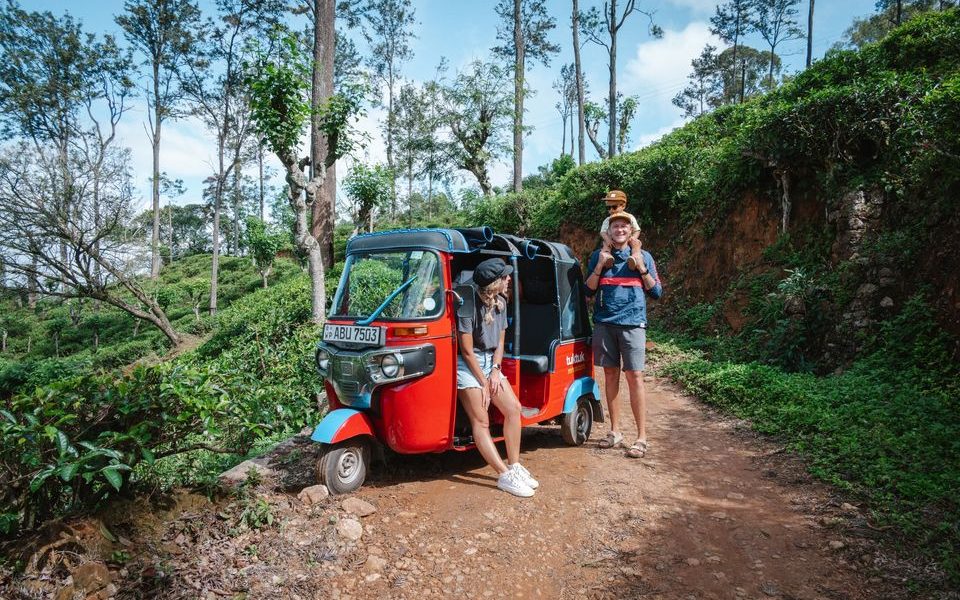
Transportation: Anuradhapura is accessible by train, bus, or car from Colombo and other major cities. Within Anuradhapura, bicycles and tuk-tuks are popular for getting around the vast archaeological site.
Entry Fees: There is a Cultural Triangle Ticket that provides access to multiple sites, including Anuradhapura, Sigiriya, and Polonnaruwa, among others.
Sample Itinerary for Visiting Anuradhapura and Abhayagiri Monastery
Day 1: Anuradhapura
Morning: Arrive in Anuradhapura, check into your accommodation.
Mid-Morning: Visit Sri Maha Bodhi and Ruwanwelisaya.
Afternoon: Explore Thuparamaya and Jaya Sri Maha Bodhi.
Evening: Relax and enjoy dinner at a local restaurant.
Over Night Stay in Anuradhapuraya
Day 2: Abhayagiri Monastery
Morning: Visit Abhayagiri Dagoba and the Samadhi Buddha Statue.
Mid-Morning: Explore Kuttam Pokuna (Twin Ponds) and the Moonstone.
Afternoon: Visit the Elephant Pond and other nearby ruins.
Evening: Return to your accommodation or proceed to your next destination.
This itinerary allows visitors to fully experience the historical and spiritual richness of Anuradhapura and the Abhayagiri Monastery, providing a deep dive into Sri Lanka’s ancient heritage.
Over Night Stay in Anuradhapuraya
Nilaveli and Trincomalee, located on the northeastern coast of Sri Lanka, offer pristine beaches, azure waters, and a rich cultural heritage. Here’s an overview of these coastal gems:
Nilaveli
Location: Situated about 16 kilometers north of Trincomalee, Nilaveli is renowned for its stunning beaches and tranquil atmosphere.
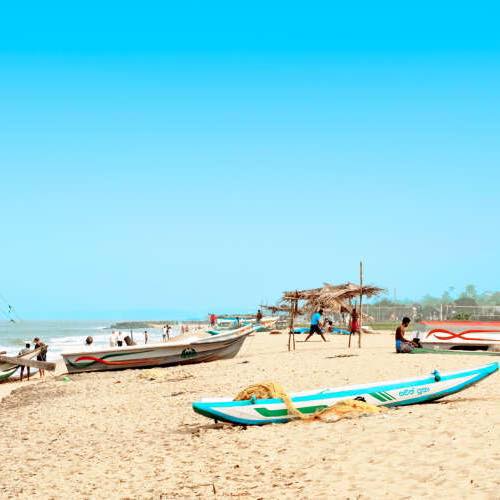
Beaches: Nilaveli Beach is famed for its soft white sands and clear waters, ideal for swimming, snorkeling, and diving.
Pigeon Island National Park: A short boat ride from Nilaveli Beach, this marine sanctuary boasts vibrant coral reefs and diverse marine life, perfect for snorkeling enthusiasts.
Trincomalee
Location: Trincomalee, often referred to as "Trinco," is a natural harbor town with a rich history dating back thousands of years.
Koneswaram Temple: Perched atop Swami Rock overlooking the Indian Ocean, this Hindu temple is a sacred pilgrimage site and offers breathtaking views of the coastline.
Fort Frederick: Built by the Portuguese in the 17th century and later expanded by the Dutch, this historic fort offers insights into the region’s colonial past and provides panoramic views of the harbor.
Lovers' Leap: A scenic viewpoint atop a cliff near Fort Frederick, offering stunning vistas of the coastline and ocean.
Uppuveli Beach: Located south of Nilaveli, Uppuveli Beach is another beautiful stretch of coastline known for its golden sands and laid-back atmosphere.
Over Night Stay in Nilaveli
Rest In Nilaveli Beach
Scuba Diving at pigeon Island
Over Night Stay in Nilaveli
Rest in Pasikudah Beach
Over Night Stay in Pasikudah
Arugam Bay, located on the southeastern coast of Sri Lanka, is world-renowned for its fantastic surfing conditions, attracting surfers from around the globe. Here’s everything you need to know about surfing in Arugam Bay:
Surfing Conditions
Waves: Arugam Bay offers consistent waves throughout the year, with the best surf conditions typically from April to October during the southwest monsoon season.
Point Breaks: The bay boasts several world-class point breaks, including Main Point, Whiskey Point, and Peanut Farm, offering a variety of waves suitable for surfers of all skill levels.
Wave Heights: Wave heights vary depending on the break, ranging from beginner-friendly rollers to powerful, hollow barrels for experienced surfers.
Water Temperature: The water temperature remains warm year-round, averaging around 27-29°C (81-84°F), making it ideal for surfing without the need for wetsuits.
Surf Spots in Arugam Bay
Main Point:
Description: The most famous surf break in Arugam Bay, offering long, peeling right-hand waves.
Experience Level: Suitable for intermediate to advanced surfers.
Best Time: Early morning and late afternoon offer the best conditions.
Whiskey Point:
Description: Located a short drive north of Arugam Bay, Whiskey Point offers both left and right-hand waves with a sandy bottom.
Experience Level: Suitable for all skill levels, with smaller waves ideal for beginners.
Best Time: The morning provides clean conditions before the wind picks up.
Peanut Farm:
Description: Known for its consistent waves and uncrowded lineup, Peanut Farm offers both left and right-hand waves.
Experience Level: Intermediate to advanced surfers.
Best Time: Early morning or late afternoon when the wind is offshore.
Surfing Services
Surf Schools: Several surf schools and rental shops line the beachfront in Arugam Bay, offering lessons, board rentals, and surf guides for beginners and experienced surfers alike.
Surf Guides: Local surf guides are available to help navigate the breaks, provide insights into wave conditions, and ensure a safe and enjoyable surfing experience.
Board Rentals: Surfboard rentals are widely available, with options ranging from shortboards to longboards and even specialty boards like fish and mini-mals.
Beyond Surfing
Yoga and Wellness: Many resorts and guesthouses in Arugam Bay offer yoga classes and wellness activities to complement your surfing experience.
Beach Life: Enjoy the laid-back beach vibe, soak up the sun, and unwind with beachside dining and drinks at the many cafes and restaurants lining the shore.
Exploration: Explore the nearby Pottuvil Lagoon, wildlife sanctuaries, and cultural sites like the ancient Muhudu Maha Viharaya temple.
Over Night Stay in Arugambay
Kumana National Park, also known as Yala East National Park, is a lesser-known gem located on the southeastern coast of Sri Lanka. Here's a glimpse into what makes Kumana National Park special:
Overview
Location: Situated in the Ampara district of the Eastern Province, Kumana National Park covers an area of approximately 35,664 hectares.
Landscape: The park is characterized by a mix of dense scrub jungle, lagoons, mangrove swamps, and coastal plains, providing diverse habitats for a variety of wildlife.
Biodiversity: Kumana is renowned for its rich birdlife, including both resident and migratory species, making it a paradise for birdwatchers. Additionally, the park is home to a range of other wildlife, including elephants, leopards, deer, and reptiles.
Over Night Stay in Arugambay
Ella, Sri Lanka: A Tranquil Hill Country Haven
Ella, nestled in the lush green hills of Sri Lanka's central highlands, is a charming and tranquil town renowned for its stunning landscapes, pleasant climate, and laid-back atmosphere. Here’s what makes Ella a must-visit destination:
Scenic Beauty
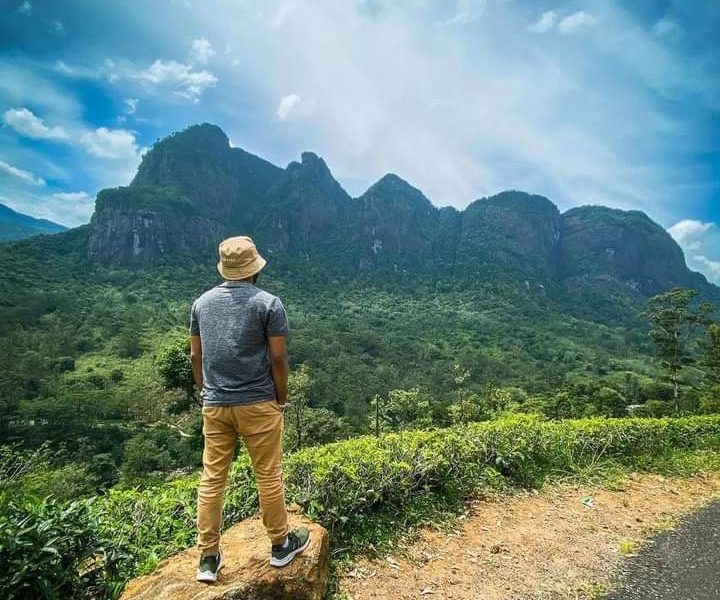
Tea Plantations: Surrounding Ella are vast expanses of emerald green tea plantations, offering picturesque views of rolling hills blanketed with tea bushes.
Ravana Falls: Just a short drive from Ella town, Ravana Falls cascades dramatically down a rocky cliff, creating a refreshing natural pool at its base—a perfect spot for a cool dip.
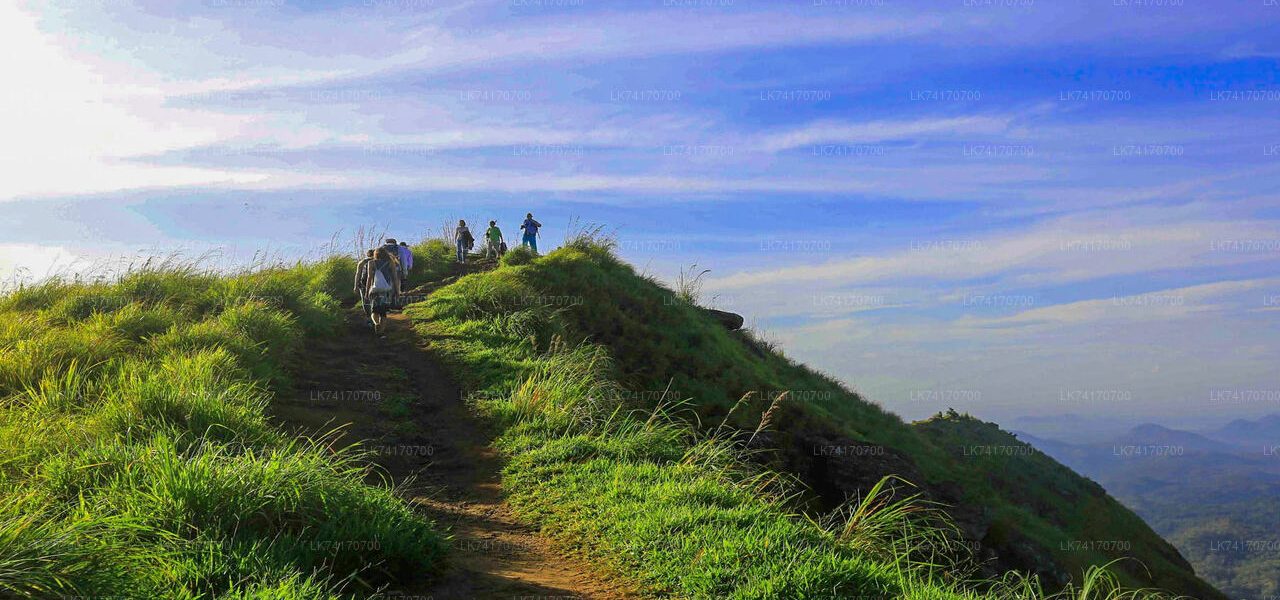
Little Adam's Peak: A relatively easy hike from Ella town, Little Adam's Peak offers panoramic views of the surrounding valleys, tea estates, and Ella Rock.
Adventure Activities
Hiking: Ella is a paradise for hikers, with trails leading to scenic viewpoints, waterfalls, and mountain peaks. Besides Little Adam's Peak, popular hikes include Ella Rock and the Nine Arch Bridge.
Cycling: Explore the picturesque countryside on two wheels, pedaling through tea estates, quaint villages, and verdant valleys.
Rock Climbing: Adventure enthusiasts can try their hand at rock climbing at sites like Ella Rock and Little Adam's Peak, offering challenging yet rewarding climbs amidst breathtaking scenery.
Cultural Exploration
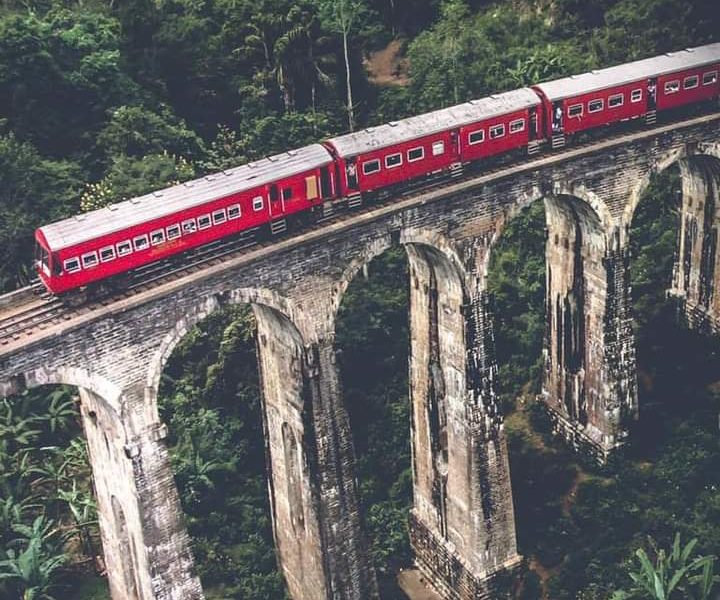
Demodara Nine Arch Bridge: A marvel of colonial-era engineering, the Nine Arch Bridge is a must-visit attraction in Ella. Watch as the iconic blue train crosses the bridge, surrounded by lush greenery.
Ella Gap: Enjoy stunning views of the Ella Gap, a vast chasm in the mountains that offers a glimpse of the plains below, including views of the distant coastline on clear days.
Relaxed Atmosphere
Charming Cafes: Ella town is dotted with cozy cafes and eateries serving delicious local and international cuisine. Relax with a cup of Ceylon tea while soaking in the serene surroundings.
Local Markets: Explore the vibrant local markets to experience the authentic flavors and culture of Sri Lanka's hill country, from fresh produce to handmade crafts.
Practical Information
Best Time to Visit: The best time to visit Ella is from December to March and from July to September when the weather is pleasant and rainfall is minimal.
Accommodation: Ella offers a range of accommodation options, including guesthouses, boutique hotels, and eco-lodges, catering to various budgets and preferences.
Transportation: Reach Ella by train, bus, or private vehicle from major cities like Colombo, Kandy, and Nuwara Eliya. The scenic train journey from Kandy to Ella is particularly popular for its breathtaking views.
Day 1: Arrival and Exploration
Arrive in Ella and check into your accommodation.
Take a leisurely stroll through Ella town, exploring the local shops, cafes, and markets.
Enjoy a relaxing evening with dinner at one of the town's cozy restaurants.
Stay overnight in Ella
Day 2: Outdoor Adventures
Start the day with an early morning hike to Little Adam's Peak to catch the sunrise.
After breakfast, embark on a scenic hike to Ella Rock, enjoying panoramic views along the way.
Return to Ella town for lunch and spend the afternoon exploring the Nine Arch Bridge and Ravana Falls.
In the evening, unwind with a cup of tea at a local cafe and savor the tranquility of Ella's hill country setting.
Stay overnight in Ella
Visit a nearby tea plantation to learn about the process of tea production and sample some freshly brewed Ceylon tea.
Explore the charming villages surrounding Ella, interacting with locals and experiencing rural life in Sri Lanka's hill country.
Depart from Ella, either by train or private transport, taking with you memories of the breathtaking landscapes and warm hospitality of this enchanting hill country haven.
Ella offers a perfect blend of natural beauty, adventure, and cultural experiences, making it an idyllic destination for travelers seeking tranquility amidst Sri Lanka's stunning hill country scenery.
Stay overnight in Ella
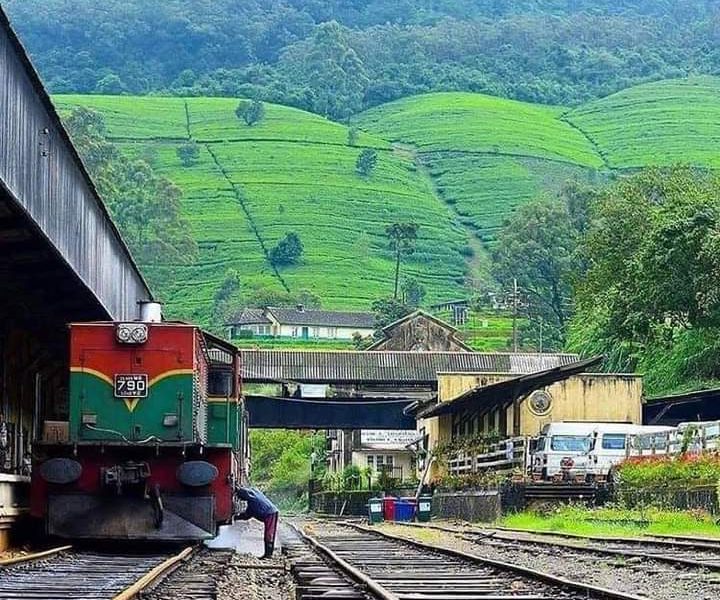
The train journey from Ella to Nanuoya is another scenic route through Sri Lanka's stunning hill country, offering travelers breathtaking views of lush green landscapes, tea plantations, and misty mountains. Here's what you can expect during this picturesque journey:
Overview:
Distance: The train journey from Ella to Nanuoya covers approximately 60 kilometers.
Duration: The journey typically takes around 2-3 hours, depending on the train schedule and any delays.
Route: The train winds its way through the picturesque hill country, passing through tea estates, forests, and small villages before reaching Nanuoya.
Highlights:
Tea Plantations: Throughout the journey, passengers are treated to panoramic views of terraced tea gardens carpeting the hillsides in shades of green. The tea estates of the hill country are among the most scenic in the world, and the train ride offers a unique perspective on their beauty.
Scenic Landscapes: As the train chugs along the tracks, passengers can admire the stunning scenery of mist-covered mountains, cascading waterfalls, and verdant valleys. The changing landscape provides a feast for the eyes at every turn.
Nanu Oya Station: The train journey culminates at Nanu Oya station, where passengers disembark to explore the surrounding area. Nanu Oya serves as the gateway to Nuwara Eliya, a charming hill station known for its cool climate, colonial architecture, and scenic beauty.
Practical Tips:
Book Tickets in Advance: Train tickets for popular routes like Ella to Nanuoya can sell out quickly, especially during peak tourist seasons. It's advisable to book tickets in advance to secure a seat.
Arrive Early: Arrive at the train station early to ensure you have enough time to find your seat and settle in before the journey begins.
Pack Essentials: Bring along snacks, water, and entertainment to keep yourself comfortable during the journey. Don't forget your camera to capture the stunning landscapes along the way.
Enjoy the Journey:
The train ride from Ella to Nanuoya is not just a mode of transportation but an experience to be savored. Sit back, relax, and soak in the natural beauty as you journey through Sri Lanka's picturesque hill country. Whether you're a nature lover, a photography enthusiast, or simply seeking a memorable travel experience, this scenic train ride is sure to delight.
Visiting Nuwara eliya city, Post Office and water falls
Over Night Stay In Kandy
Kandy City Tour
Traveling to Colombo
Over Night Stay In Colombo
Colombo City Tour and Departure
Map